Amazon Changes Kindle Book Images to AVIF Format
Amazon has begun converting the images inside Kindle ebooks to AVIF, the format derived from the AV1 video codec
JPG, PNG, WebP, HEIC, RAW, PDF — what each format is actually for, and when converting between them costs you something.
Amazon has begun converting the images inside Kindle ebooks to AVIF, the format derived from the AV1 video codec
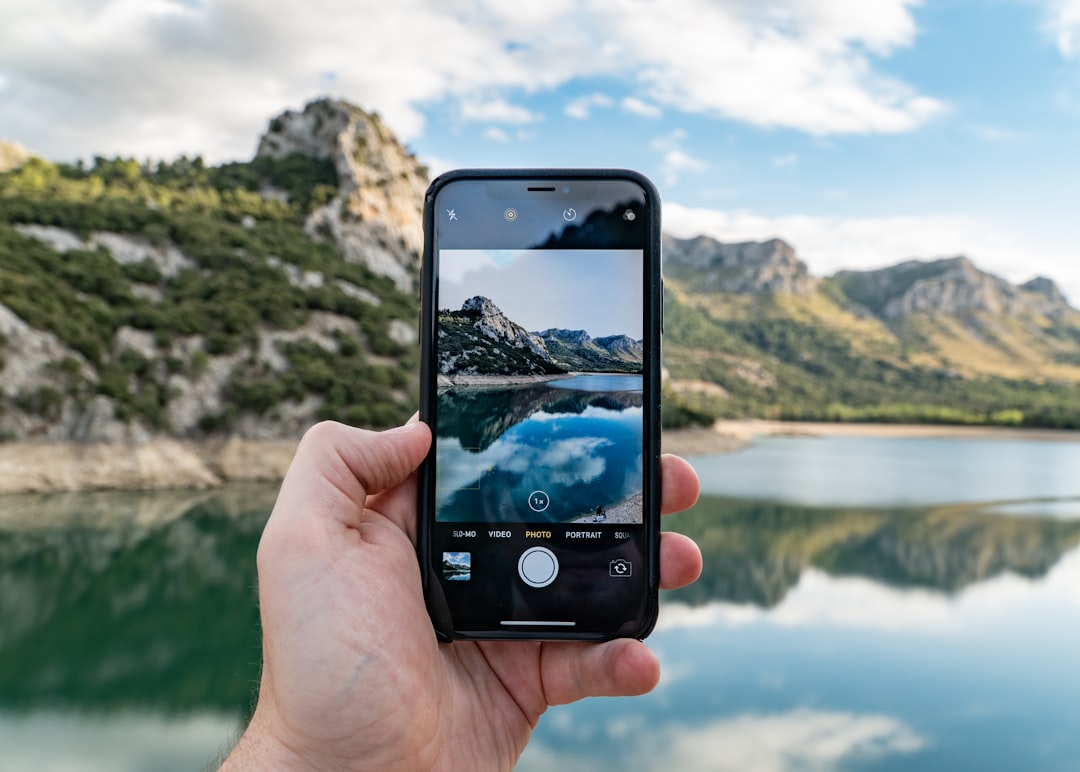
Every photo you take on a modern smartphone is being encoded by a format the camera selected before you ever opened the app
JPEG turned 32 in 2024. PNG has been around since 1996. Both feel permanent because they survived long enough to become infrastructure
Every JPEG and HEIF file that leaves a smartphone camera carries a data section most people never see
In 1996, Kodak, Nikon, Canon, Minolta, and Fuji launched a new film system together
For nearly three decades, XCF has been the internal language of GIMP — the format that holds layers, paths, channels, and edit history between sessions
When Nikon released its first CFexpress Type B cards alongside the Z 9, many photographers discovered that the XQD cards they'd used for years in D5 and D850 bodies were now sitting in a gray area: same slot, same connector, same physical card — yet the two formats are not interchangeable in both directions, and the differences underneath that shared shell matter considerably once you start moving files around
GIMP has carried an awkward format problem for most of its existence
The oldest surviving photograph—Louis Daguerre's 1837 still life on a silver-coated copper plate—has outlasted every piece of equipment used to create it
A PBS member station recently lost access to roughly seventy years of archived footage when the cloud storage vendor it depended on shuttered without adequate warning
RAW files are routinely described as "digital negatives," which is accurate as far as it goes — but the analogy quietly implies one exposure, one frame, one image
The announcement that DNG has been formally adopted as an ISO standard after more than two decades as an Adobe-originated format shifts something that most photographers only half-noticed was unresolved: there was never a neutral, third-party guarantee that a DNG file written today would remain fully interpretable by software that didn't exist yet
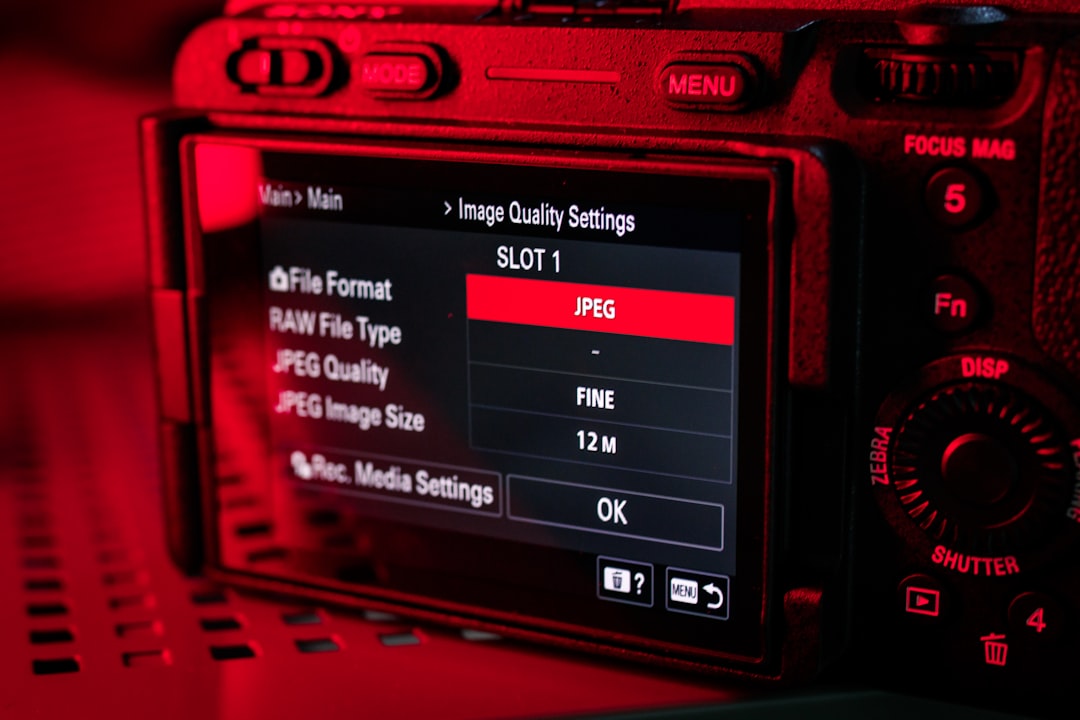
When a camera writes a JPEG to the card, it has already made several irreversible decisions on your behalf
When you share a photo from your iPhone and it quietly arrives as a JPEG on the other end, most people assume nothing of consequence happened
Apple switched the default capture format on iPhone to HEIF — High Efficiency Image File Format — starting with iOS 11 in 2017
Every photo you take on a modern iPhone carries a quiet engineering decision buried in the Camera settings
Adobe introduced the Digital Negative format in 2004 with a straightforward argument: the photography industry had a proprietary RAW problem
The choice has been sitting in your camera's menu for years, but does switching to HEIF actually pay off? Here's what changes at the file level.