Canon's Dual Pixel 3D: Converting EOS R Photos to 3D Models
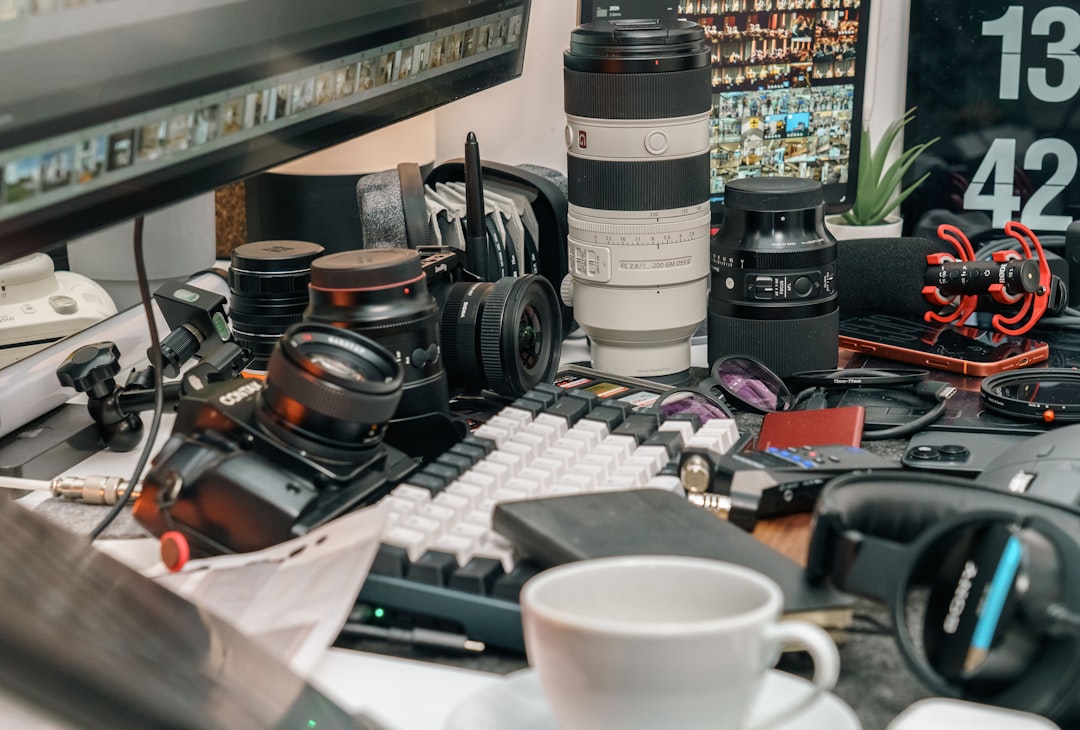
Canon's Dual Pixel CMOS AF sensor has been doing something quietly remarkable for years: recording two slightly offset photodiode readings for every pixel across the sensor plane
70 entries published · page 2 of 6
Canon's Dual Pixel CMOS AF sensor has been doing something quietly remarkable for years: recording two slightly offset photodiode readings for every pixel across the sensor plane

The vectorscope is the one scope most photographers skip entirely
Eric Fossum invented the modern CMOS image sensor in the early 1990s while working at NASA's Jet Propulsion Laboratory
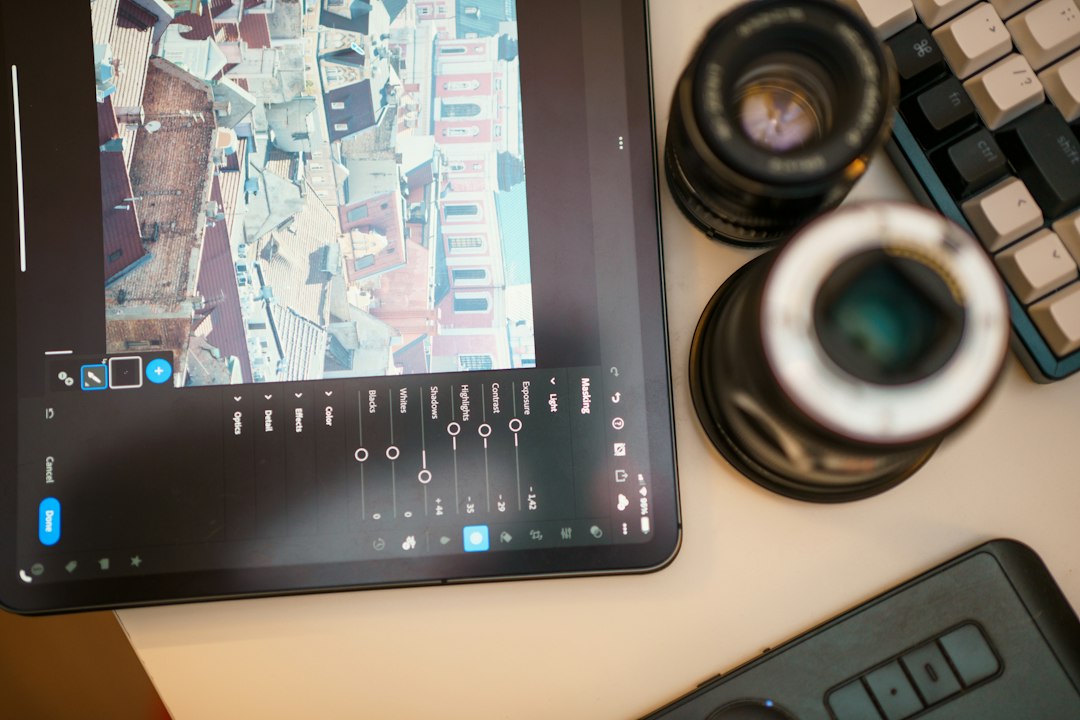
When Adobe brought Camera Raw's exposure and tone controls into Photoshop as the Light layer — announced as part of the push to make non-destructive editing native to Photoshop itself — the interface telegraphed a clear message: this is the panel you already know
Aperture gets almost all the credit for background blur. Open up to f/1.8, shoot a portrait, watch the background dissolve
Decorrelation stretch sounds like something a yoga instructor invented after taking a signals processing course
When a memory card fails mid-shoot, the conversation usually jumps immediately to data recovery software and frantic Googling
The assumption going into most fisheye shots is that a wider view means simpler data: fewer fine details, more sky, more blank wall, easier for a codec to handle
Every photo you take on a modern smartphone is being encoded by a format the camera selected before you ever opened the app
JPEG turned 32 in 2024. PNG has been around since 1996. Both feel permanent because they survived long enough to become infrastructure
Fisheye distortion has a reputation for being either embraced entirely or fixed with a single click. Neither approach gets you the best result
When you apply a Lightroom preset to an image, the local adjustments embedded in that preset — Subject masks, Sky masks, object selections — don't simply transfer